
This post may contain affiliate links. Please read our disclosure policy.
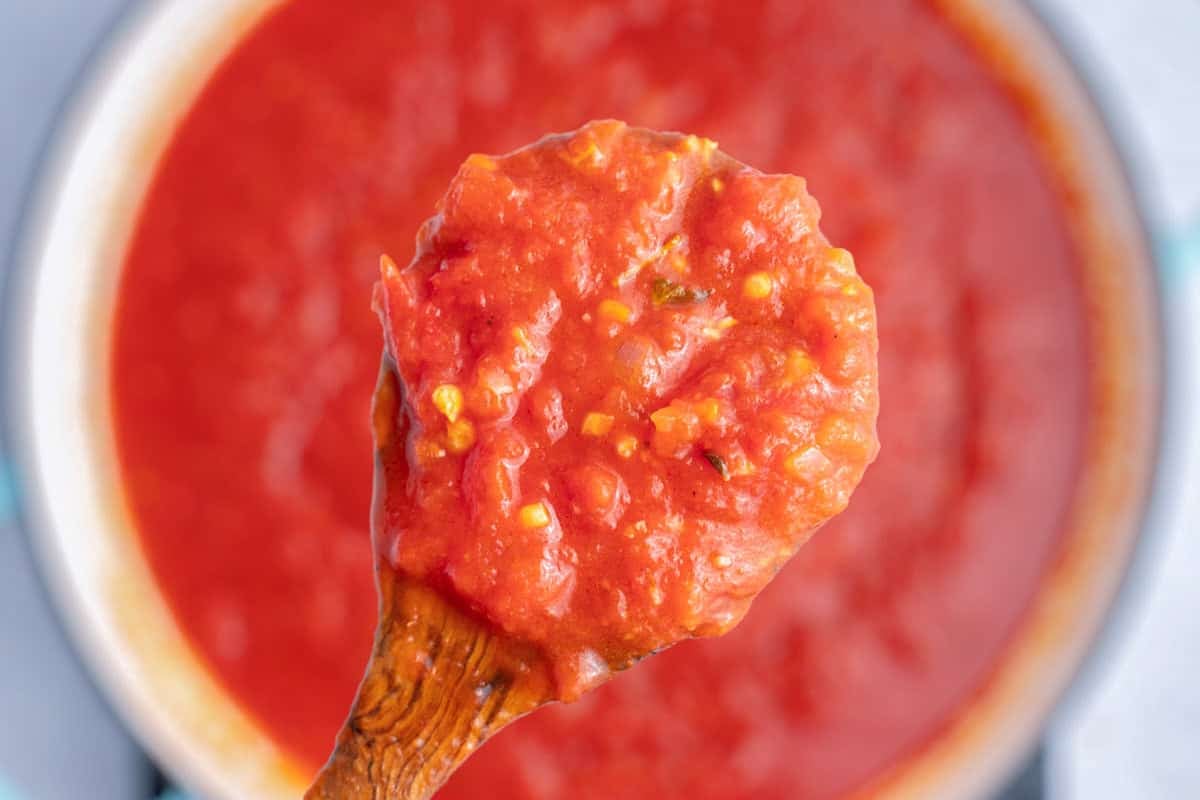
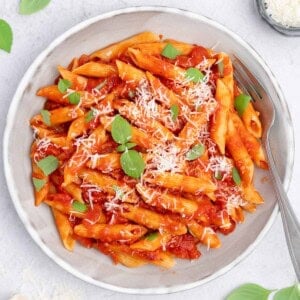
This Arrabbiata Sauce is the perfect balance of sweet, spicy, and rich, featuring crushed tomatoes, red pepper flakes, and oregano. Ready in under 40 minutes, it’s perfect served stirred into pasta for a classic, easy dinner.
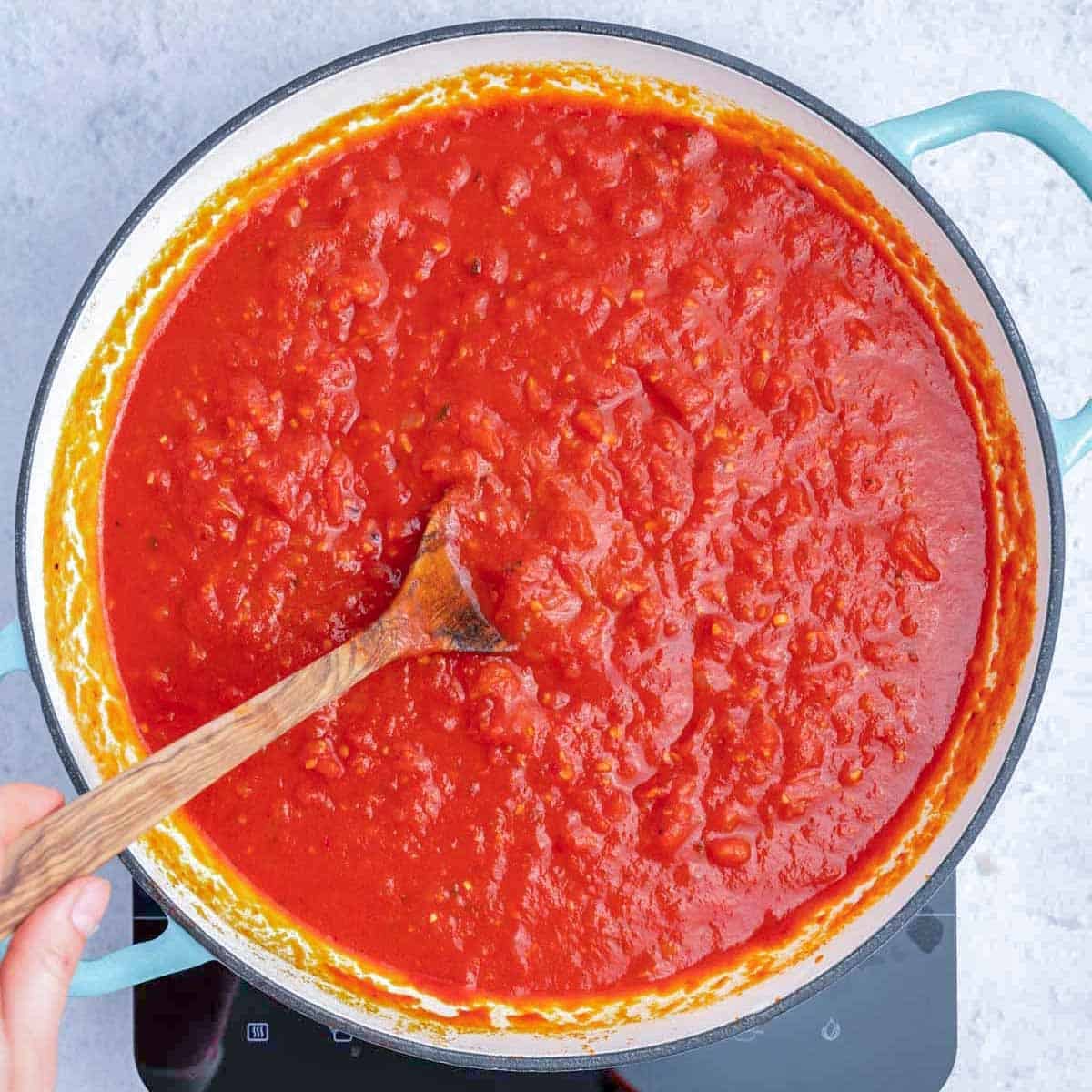
Tomato Sauce with a Kick
Arrabbiata is a classic Italian sauce from Rome, containing tomatoes (usually San Marzano), garlic, oregano, and peperoncino. The name comes from the Italian word for ‘angry,’ referring to the spicy kick from dried chili flakes, which release their rounded heat into the sauce as it simmers.
If you haven’t made it before, you may be surprised by how simple and quick it is to make. The benefit of cooking it yourself is that you can also adjust the heat level to your preference and even use fresh chilis, if you’re so inclined! Serve it up with whatever pasta shape you like, or try it out on a pizza like this chicken crust pizza, chicken parmesan, or with Turkey meatballs.
Recipe Overview
A Few Key Ingredients
Below are the key ingredients you’ll need to make Arrabbiata Sauce. The full quantities are in the recipe card further down the post.
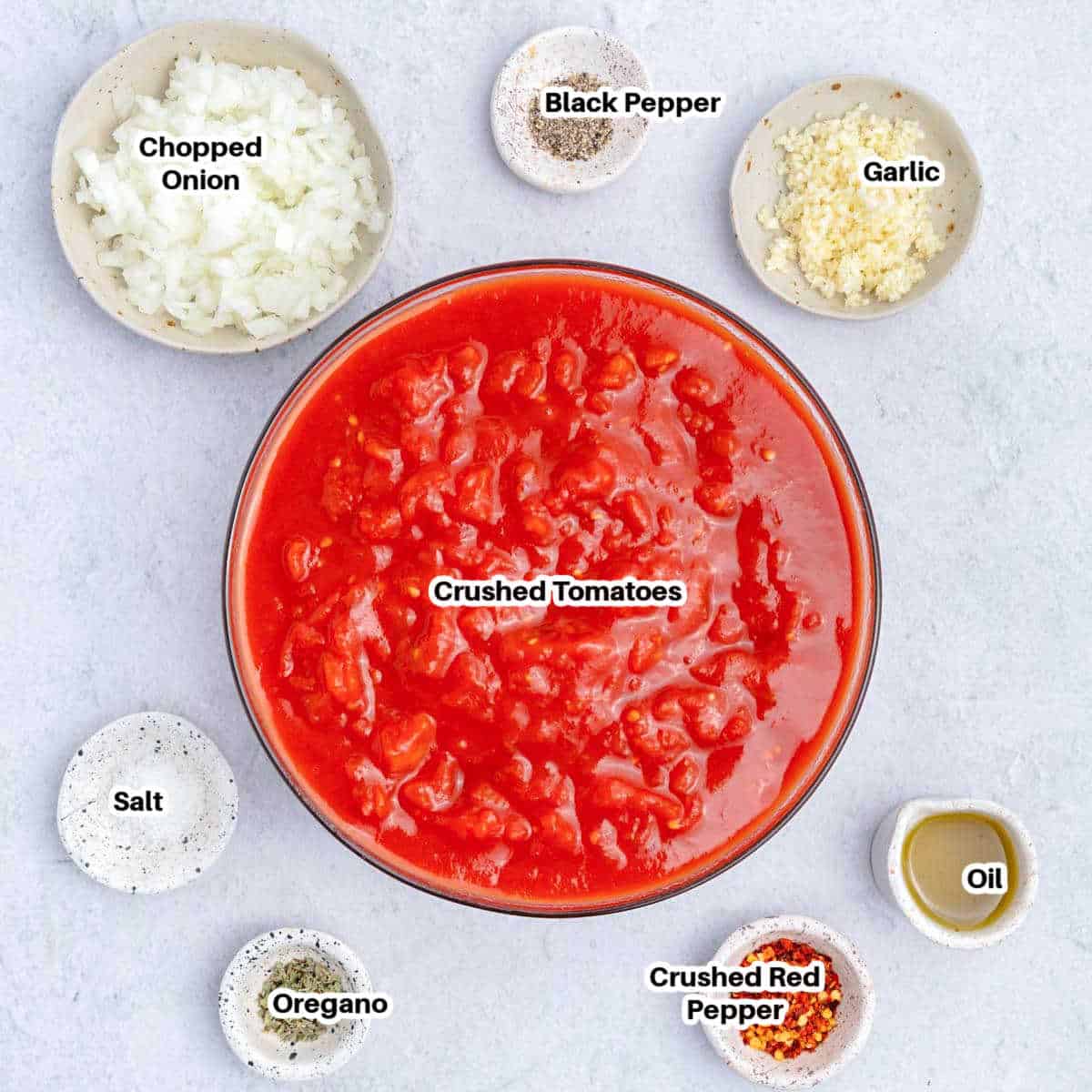
Crushed tomatoes: Choose high-quality, canned tomatoes. I like San Marzano, which are flavorful and sweet. If you can’t find crushed, use whole canned tomatoes and blitz them briefly in a blender or food processor. You can also use an equal quantity of fresh, diced tomatoes.
Crushed red pepper flakes: The key to the spicy flavor in an arrabbiata. Look for ones that come from Italy, like Calabrian chili flakes, for the most authentic flavor.
Onion and garlic: Add depth of flavor and a little sweetness to the sauce. Fresh garlic is best, but garlic powder works in a pinch. You can swap out the yellow onion for a couple of shallots.
Tips for a Rich and Delicious Flavor
Tomato-based pasta sauces benefit from a few key things to yield the best depth of flavor:
- Use high-quality canned tomatoes: Look for brands that contain just tomatoes, maybe some salt. Avoid ones with added calcium chloride or sugar.
- Cook the sauce low and slow: This gives it a chance to become naturally sweet and deepens its flavors.
- Use a tasty, extra–virgin olive oil: Although light olive oil is usually used for cooking, extra-virgin works here since we’re not using high heat. The olive oil’s flavor will round out the sweet-and-tart tomatoes.
- Balance with balsamic vinegar or a pinch of sugar: Canned tomatoes vary in their acidity and sweetness depending on brand and when they were processed. If the sauce tastes bland, it may not need salt but actually may benefit from some added acid or sugar.
How to Make Arrabbiata Sauce
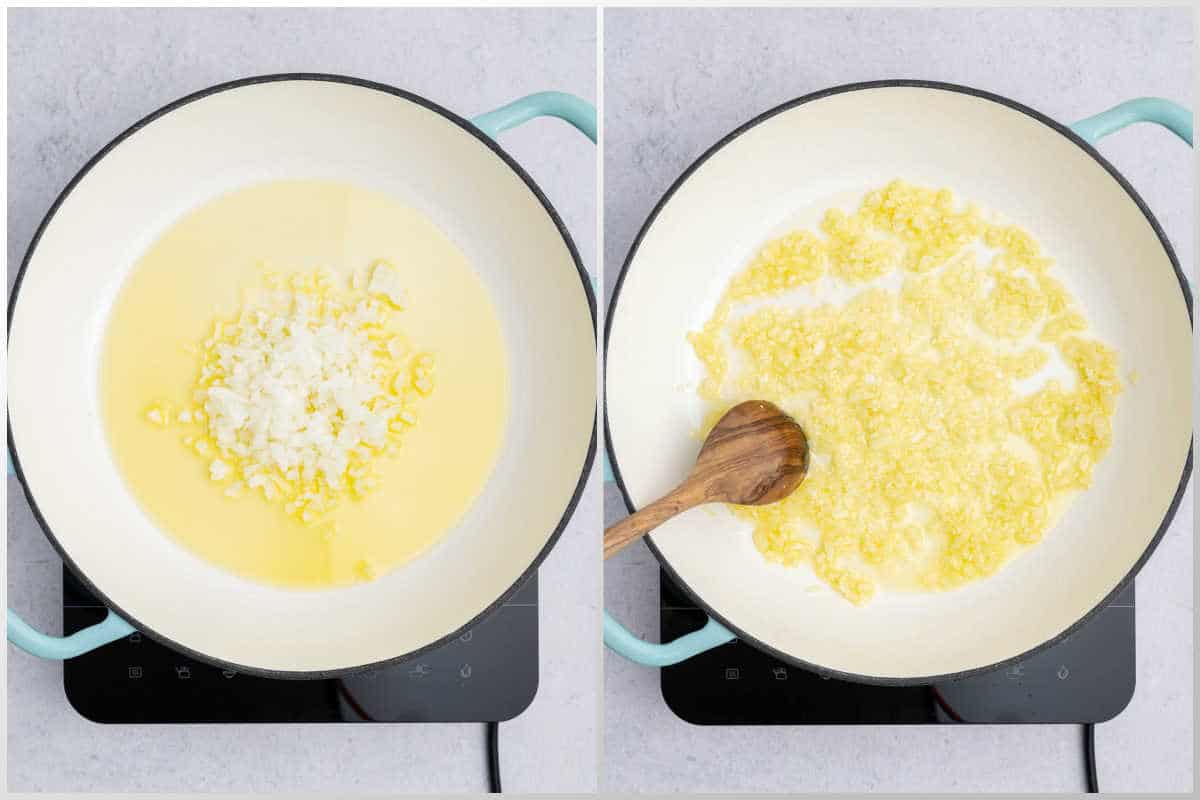
Step 1. Place a large skillet or saucepan over medium heat. Add the olive oil and diced onion. Simmer for 2-3 minutes until the onion is translucent.
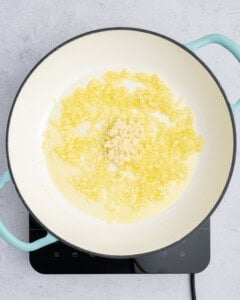
Step 2. Next, add the garlic and cook for another 1-2 minutes until the garlic is fragrant.
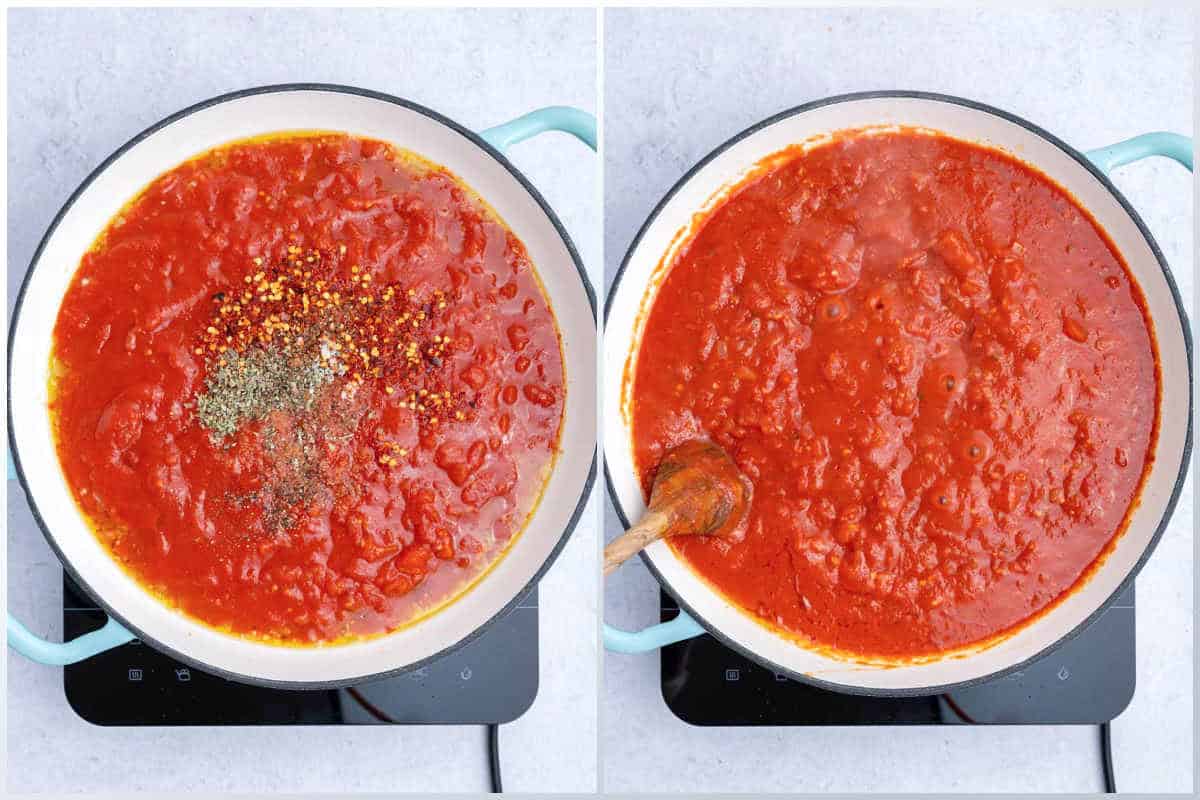
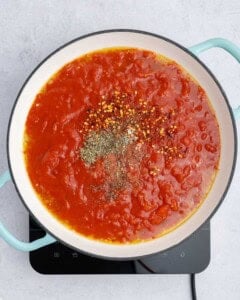
Step 3. Add the crushed tomatoes, red pepper flakes, salt, pepper, and oregano.
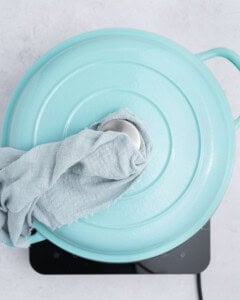
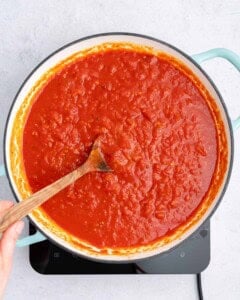
Step 4. Mix and bring the sauce to a simmer for 3-4 minutes, then lower the heat to low. Cover the pan and allow it to cook for another 12 minutes. If the sauce isn’t thick enough to your liking, let it simmer uncovered for another 6-8 minutes.
Step 5. Taste the sauce and adjust the seasonings to your taste. If you like it spicier, add another 1-2 teaspoons of chili flakes.
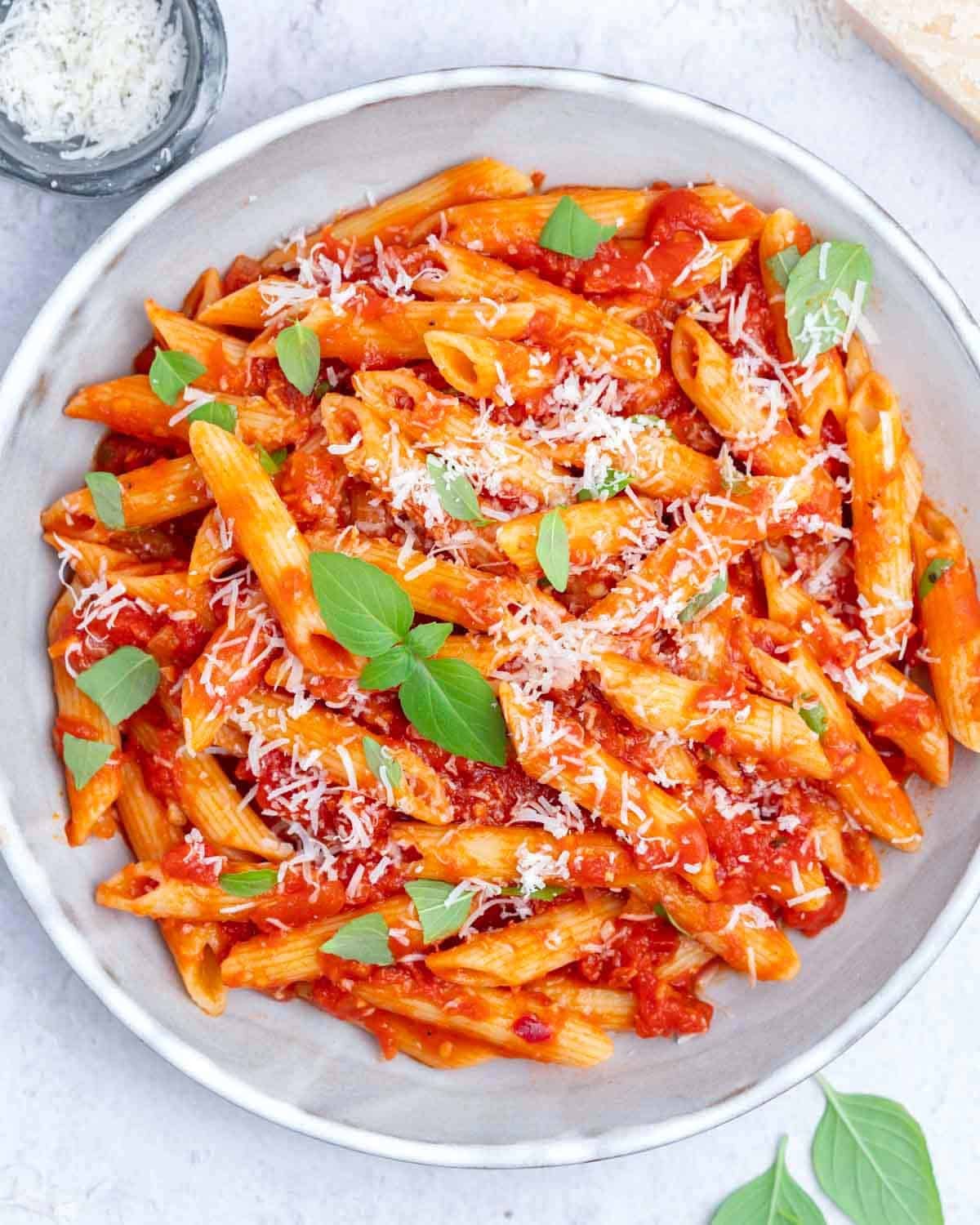
Step 6. Serve with pasta of your choice. Top with fresh basil and grated Parmesan cheese.
Recipe Notes
Storage: Store cooled sauce in an airtight container in the fridge for up to 5 days. Alternatively, freeze for up to 3 months (thaw overnight in the fridge before reheating).
Reheating: Warm the sauce in a pot over a medium-low heat on the stove until piping hot. Alternatively, microwave in a covered, microwave-safe bowl until piping hot.
Add fresh chilis: If you have some fresh, red chilis, feel free to dice them up and add them into the sauce along with the red pepper flakes.
Finish the pasta in the sauce: If serving alongside pasta, add the cooked (al dente) pasta to the sauce with a splash of pasta water, and let it simmer in there for a minute or two. This will help the sauce cling to the pasta properly.
Questions I Get Asked a Lot
Both are tomato-based pasta sauces. Marinara sauce is mild, whereas Arrabbiata contains red pepper flakes to make it spicy.
Yes! All the ingredients in Arrabbiata sauce are vegan-friendly (just not the Parmesan cheese on top!).
Penne is the typical pasta shape for serving with an arrabbiata but other short pasta shapes (like ziti or fusilli) or even long noodles like spaghetti or linguine work great.
Arrabbiata is typically quite spicy but by making it yourself you can adjust the heat level to your preference by using less (or more) of the red pepper flakes.
Yes, although canned San Marzano tomatoes provide the most consistent flavor year-round. If using fresh tomatoes, choose ripe Roma or plum tomatoes and allow the sauce to simmer longer to develop its rich flavor.
Yes! In fact, the flavor gets even better after a day in the refrigerator, making it a great make-ahead sauce for meal prep
Common Mistakes
- Using low-quality canned tomatoes: Since tomatoes are the star of this recipe, choose high-quality canned tomatoes, such as San Marzano, for the richest flavor and smoothest texture.
- Burning the garlic: Garlic cooks quickly and can become bitter if browned too much. Sauté it just until fragrant before adding the tomatoes.
- Adding too many red pepper flakes at once: Arrabbiata is meant to be spicy, but the heat builds as the sauce simmers. Start with the recommended amount, then taste and add more if you’d like extra spice.
- Not letting the sauce simmer: Allow it to simmer for at least 20 to 30 minutes. This gives the flavors time to meld and helps thicken the sauce.
- Overseasoning too early: Taste the sauce after it has simmered before adding more salt. As the sauce reduces, the flavors become more concentrated.
You May Also Enjoy
- Eggplant Tomato Pasta
- Homemade Focaccia
- Pasta Puttanesca
- Caprese Pasta Salad
- Ground Beef Stir Fry
- Spinach Ricotta Stuffed Shells
- Chicken Pizzaiola
- Peperonata
Made this? Leave a comment below and let me know how it went. And tag me on Instagram so I can see your creations!
Homemade Arrabbiata Sauce
Ingredients
- 4 tablespoons extra virgin olive oil
- 56 ounces crushed (San Marzano) tomatoes, 2 x 28 ounce cans
- 1 small yellow onion, diced finely
- 4-6 cloves fresh garlic, minced
- 2 teaspoons crushed red pepper flakes
- 1/2 teaspoon dried Oregano
- 1 teaspoon kosher salt
- 1/2 teaspoon black pepper
Optional to serve:
- fresh basil leaves, torn or roughly-chopped
- cooked pasta of your choice
- grated Parmesan cheese
Instructions
- Place a large skillet or saucepan over medium heat. Add the 4 tablespoons extra virgin olive oil and 1 small yellow onion (diced). Sauté for 2-3 minutes until the onion is translucent.

- Next, add the 4-6 cloves fresh garlic (minced) and cook for another 1-2 minutes until the garlic is fragrant.
- Add the 56 ounces crushed (San Marzano) tomatoes, 2 teaspoons crushed red pepper flakes, 1 teaspoon kosher salt, 1/2 teaspoon black pepper, and 1/2 teaspoon dried Oregano.
- Mix and bring the sauce to a simmer for 3-4 minutes then lower the heat to low. Cover the pan and allow it to cook for another 12 minutes. If the sauce isn’t thick enough to your liking, let it simmer uncovered for another 6-8 minutes.
- Taste the sauce and adjust the seasonings to your taste. If you like it spicier, add another 1-2 teaspoons of chili flakes.
- Serve with cooked pasta of your choice. Top with fresh basil leaves (torn) and grated Parmesan cheese.

Notes
- Serving Size: 1 cup
- A cup of sauce is enough to generously coat about 2 ounces (dry) of pasta.
- For the best flavor, use San Marzano crushed tomatoes. Their naturally sweet, rich flavor helps create a well-balanced sauce with less acidity.
- Start with 2 teaspoons of crushed red pepper flakes for a moderate level of heat. Add more if you prefer a spicier, more traditional arrabbiata sauce.
- Simmer the sauce for at least 20 to 30 minutes to allow the flavors to meld and the sauce to thicken. For an even richer flavor, let it simmer a bit longer.
- If the sauce tastes too acidic, stir in a small pinch of sugar to balance the flavors.
- This sauce pairs well with penne, rigatoni, spaghetti, or your favorite pasta, and also makes a delicious sauce for meatballs, chicken, or seafood.
- Store leftovers in an airtight container in the refrigerator for up to 5 days, or freeze for up to 3 months.
Nutrition
Nutrition information is automatically calculated, so should only be used as an approximation.

Nothing beats homemade Arrabbiata sauce! Thanks for this recipe
Thanks so much.