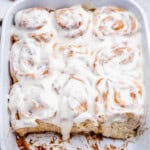
Homemade Cinnamon Rolls With Greek Yogurt
These Homemade Cinnamon Rolls are super fluffy and pillowy soft with a gooey cinnamon-sugar center. Drizzled with a vanilla yogurt-and-cream-cheese glaze, they're perfect with a cup of coffee.
Servings: 12 servings
Ingredients
Dough
- ¾ cup warm whole milk 110°F
- 2 teaspoons vanilla extract
- 1/4 cup white sugar
- 2¼ teaspoons instant yeast 1 packet
- 1 large egg
- ¼ cup plain Greek yogurt
- ¼ cup refined coconut oil melted
- 3 ¼ cups white whole wheat flour
- ½ teaspoon fine salt
Cinnamon Filling
- 2/3 cup dark brown sugar
- 3 teaspoons ground cinnamon
Vanilla Yogurt Cream Cheese Glaze
- 4 ounces light cream cheese softened
- ½ cup plain Greek yogurt
- 2 tablespoons maple syrup
- 1 teaspoon vanilla extract
- 2-4 tablespoons milk
Instructions
- In a large bowl, combine the ¾ cup warm whole milk, 2 teaspoons vanilla extract, 1/4 cup white sugar, and 2¼ teaspoons instant yeast. Let it sit for about 5 minutes until foamy.
- Whisk in the 1 large egg, ¼ cup plain Greek yogurt, and ¼ cup refined coconut oil.

- Add the 3 ¼ cups white whole wheat flour and ½ teaspoon fine salt, then mix until a shaggy dough forms. Knead for about 8–10 minutes, until the dough becomes smooth, soft, and slightly tacky. If it feels sticky, add a tablespoon of flour at a time, but resist adding too much, as a softer dough makes softer rolls.
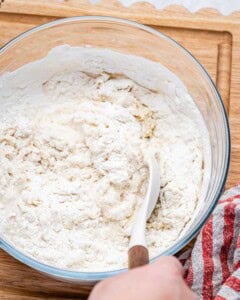
- Place the dough in a lightly oiled bowl, cover, and let it rise for about 1 hour, or until doubled in size.
- Meanwhile, make the filling by combining the 2/3 cup dark brown sugar and 3 teaspoons ground cinnamon.
- Punch down the dough and roll it into a rectangle approximately 12 × 18 inches.
- Spread the cinnamon sugar evenly all the way to the edges.
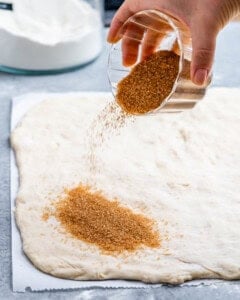
- Starting from the long side, roll the dough tightly into a log. Slice into 12 equal rolls using unflavored dental floss or a very sharp knife.
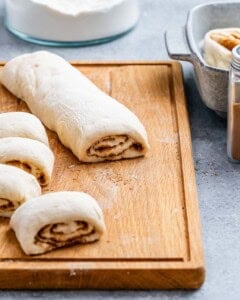
- Arrange the rolls in a lightly greased 9 × 13-inch baking dish, leaving a little space between each one.
- Cover and let rise for another 30 minutes, until noticeably puffy.
- Bake in a 350°F oven for 22 to 25 minutes, until the tops are lightly golden. The centers should still feel soft; don't overbake.
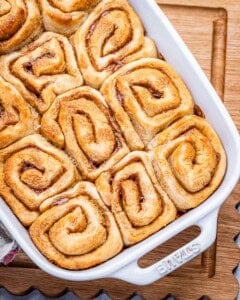
- Allow the rolls to cool for about 10 minutes.
- Whisk together the 4 ounces light cream cheese, ½ cup plain Greek yogurt, 2 tablespoons maple syrup, 1 teaspoon vanilla extract, and enough milk (2-4 tablespoons milk) to make a smooth, pourable glaze. Drizzle generously over the warm rolls so it melts into every swirl.

Notes
- Proofing yeast: Instant yeast doesn't need to be mixed with liquid first; you can add it straight to the dry ingredients. However, I like to make sure it's active by mixing with liquid and letting it rest for a few minutes (this is called 'proofing') to see if it becomes foamy. If it doesn't look bubbly after proofing, the yeast is inactive, and you need to buy new yeast.
- Helping bread dough rise: When leaving the dough (or shaped buns) to rise, it's best to do this in a warm place so that the dough rises quickly. If your home isn't warm, you can place the dough in a switched-off oven with a mug of boiling water. This creates a warm, steamy environment which is perfect for the dough to rise.
- Adding flour to the dough: It can be tempting to add more flour when kneading. Add as little excess flour as possible, as more flour will make the rolls turn out drier. If you find this difficult, you can knead the dough in a stand mixer with the hook attachment fitted.
Nutrition
Serving: 1Roll | Calories: 272kcal | Carbohydrates: 45g | Protein: 8g | Fat: 8g | Saturated Fat: 5g | Polyunsaturated Fat: 0.2g | Monounsaturated Fat: 1g | Trans Fat: 0.01g | Cholesterol: 23mg | Sodium: 153mg | Potassium: 158mg | Fiber: 4g | Sugar: 20g | Vitamin A: 104IU | Vitamin C: 0.03mg | Calcium: 93mg | Iron: 1mg